Your systems.
One operation.
ERP or accounting, email, shared drives, shop tools, CRM, spreadsheets, forms, scheduling — whatever the work touches. I map the path between them so the business runs as one operation.
You already know where it hurts.
You don't have to know what to call it. If you've caught yourself saying any of these, that's the work.
The businesses that pull ahead aren't the ones with the most software. They're the ones whose systems talk.
That gap is easy to live with, until it isn't. The double-entry, the status nobody can see, the process that lives in one person's head — it compounds quietly. Then a key person leaves, or a competitor moves faster than you can pull the numbers, and the cost shows up all at once. Closing it now is cheaper than closing it under pressure.
illustrative — a 10-person crew · yours will vary 0.0 hrs
One workflow at a time.
I map one live workflow — a quote, repair, job, order, delivery, customer request, or report. We follow where it stalls, who carries context in their head, and which gap costs the most. You walk away with your Operating Map and a fixed-price plan, whether or not you build it with me.
I connect the systems you already run. Nothing gets ripped out, nobody relearns their job. The path sits on top, on infrastructure you control, and the work starts moving between departments with less chasing.
I stay in the work with your team until it holds. We adjust the path as the business moves, instead of dropping a binder and disappearing. You own the system. I help keep it sharp.
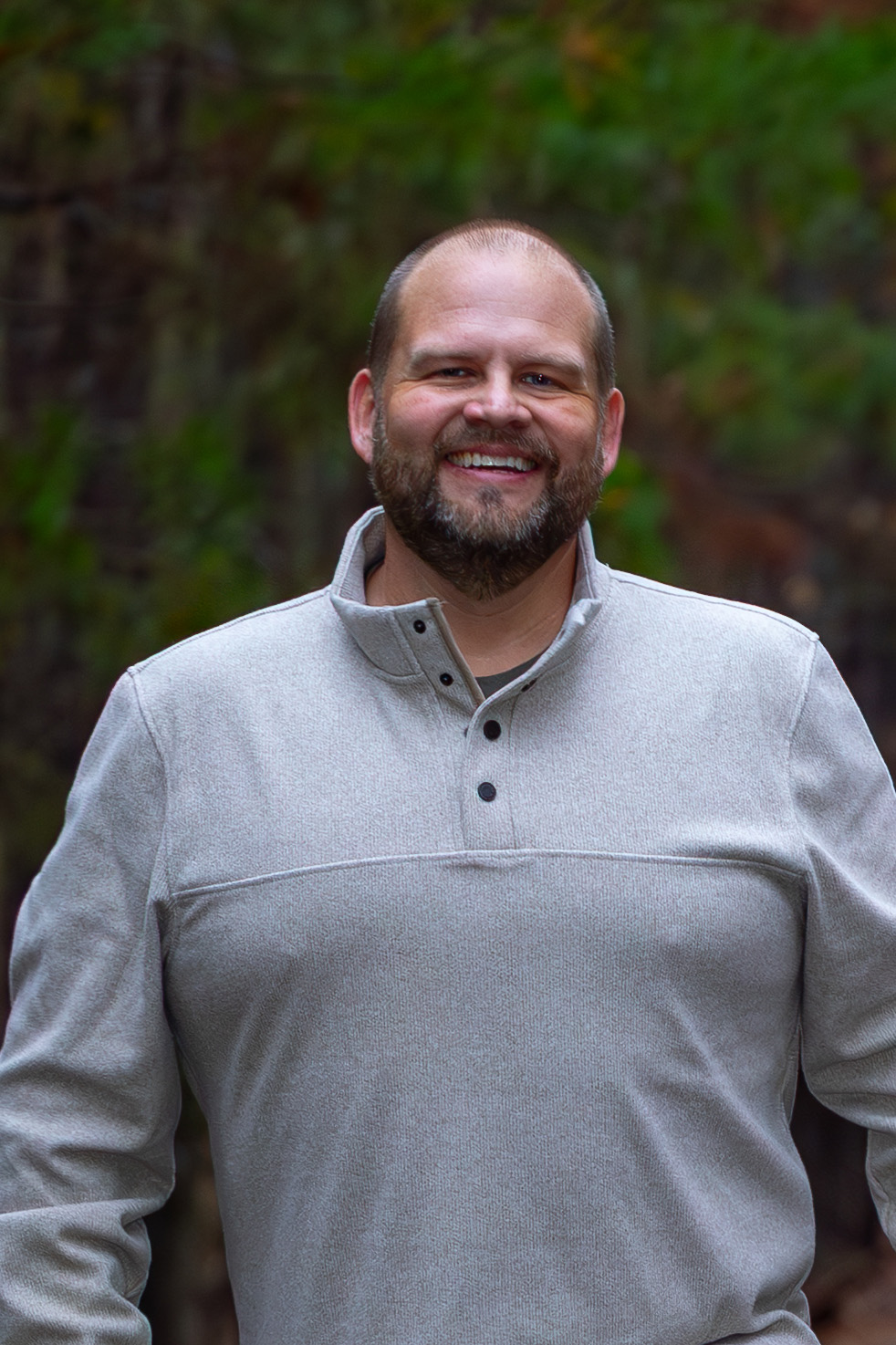
An operator who builds. Not a consultant who pitches.
Seventeen years in agriculture and equipment operations — sales, precision ag, store management, P&L. I'm a problem-solver first; AI just changed how fast I turn operational knowledge into systems that work. Built on what you already run, on infrastructure you control, never from a template. Good people get buried by bad systems. I build the systems that dig them out.
Before I built operating systems, I went shopping for them — booked the demos, sat through the web calls, dodged the sales sequences that wouldn't quit. That was me, hunting for a fit that didn't exist. Now I build it instead, shaped around the way the work actually moves.
Read the manual.
Start with one pain point_
Tell me where work is getting stuck between people, departments, documents, or systems. I read every note myself and reply directly.